

How To Be Calm In Any Situation
In today’s fast-paced world, staying calm might seem like an impossible task. Whether it’s a heated argument, a stressful job interview, or a sudden crisis, we often react out of panic. But here’s the truth: staying calm is a skill—and like any skill, it can be learned.
1. Identify Stress Triggers: Your First Step to Calm
The first step is to know what sets you off. Is it being criticized? Tight deadlines? Unexpected changes?
Tip: Keep a journal or reflect regularly to identify patterns in your emotional responses. Awareness helps you prepare instead of panic.
2. Master Breathing Techniques for Instant Calm
Use deep, intentional breathing to calm your body. Try this technique:
• Inhale for 4 seconds
• Hold for 4 seconds
• Exhale for 6 seconds
• Repeat for 1–2 minutes
This helps slow your heart rate and activate your body’s relaxation response.
3. Shift Your Mindset: Overcome Negative Thoughts
Change your perspective on stressful events. Ask yourself:
“Is there a different, less stressful way to view this?”
Reframing shifts you from reacting emotionally to responding logically.
4. Mindfulness Practices: Find Inner Peace Daily
Mindfulness brings your attention to the present moment. A quick grounding technique:
5 things you see
4 things you touch
3 things you hear
2 things you smell
1 thing you taste
Practicing this regularly builds your ability to stay calm under pressure.
5. Daily Stress Management: Build Resilience Habits
Use everyday frustrations (e.g., long lines, delays) as mini “calm training” moments. These add up, making it easier to stay composed during bigger challenges.
6. Calm Communication: Speak Slowly & Clearly
When you’re anxious, slow down your speech. It forces you to breathe, think clearly, and communicate more effectively—which naturally calms your mind.
7. Your Personal Calm Kit: Essential Stress Relief Tools
Make a toolkit for stressful times. Include:
Calming music
A relaxing scent (like lavender)
Affirmations or calming quotes
A mindfulness app or video
Having these at your fingertips can ease tension fast.
8. Build Your Anti-Stress Arsenal: A Practical Guide
Instead of resisting stress, accept what’s outside your control. Shift your focus to your response, not the situation itself.
“I can’t control this, but I can control how I react.”
This mindset frees up energy and restores emotional balance.
Life throws curveballs. We’ve all been there, stressing over things completely out of our hands.
But what if we told you there’s a powerful secret to peace? It’s simple: accept what you can’t control.
- Stop fighting against the inevitable. Embrace the unpredictable, the unchangeable.
- Focus your energy on what is within your power – your reactions, your attitude, your next step.
- Letting go liberates you. It opens doors to new possibilities and a calmer mind.
- Discover true strength in surrender. Find serenity in acceptance.
- This isn’t weakness; it’s wisdom. It’s the path to a happier, less anxious life.
- Ready to reclaim your peace? Start by accepting what you can’t control today.
Embrace Calm: Your Journey to Lasting Peace
Being calm doesn’t mean being emotionless—it means staying grounded during emotional waves. With consistent practice, you can learn to navigate any situation with clarity and confidence.
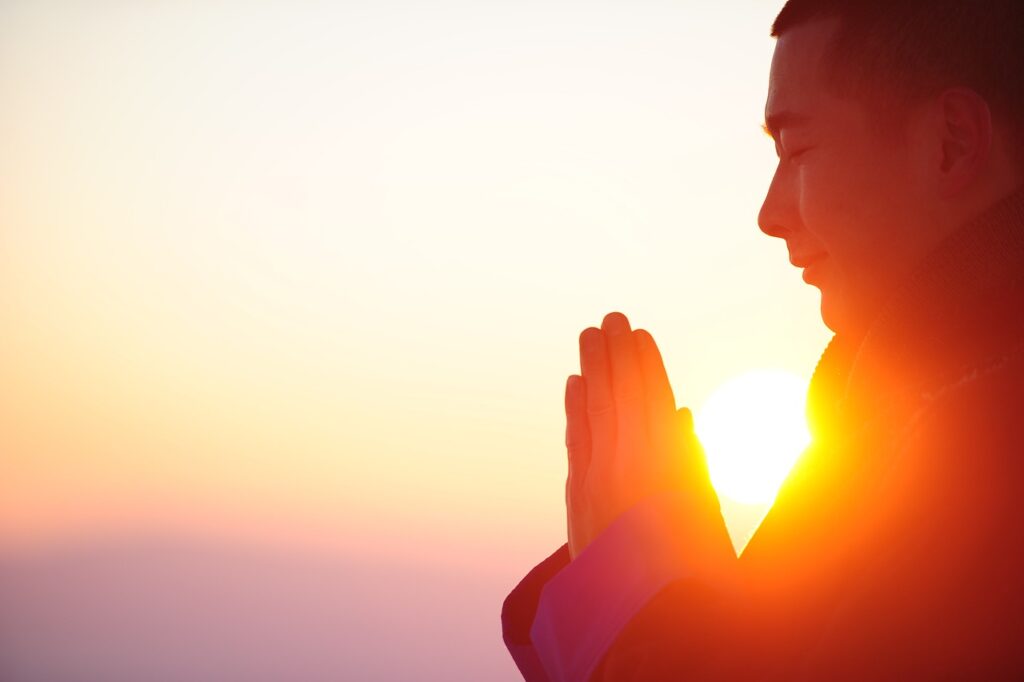
10 Habits of Emotionally Strong People – Build Mental Strength Daily
Want to become emotionally stronger? Discover 10 powerful habits emotionally resilient people practice every day to stay calm, confident, and grounded.
How to Build Mental Resilience – 9 Proven Strategies That Work
Mental resilience is your ability to bounce back from setbacks, adapt to change, and keep going in the face of adversity. It’s not about avoiding stress or never struggling—it’s about developing the inner strength to thrive because of those challenges.
Simple Morning Routines for a Stress-Free Day – Start Calm, Stay Focused
Discover easy and effective morning routines to reduce stress, boost energy, and start your day with clarity. These simple habits can transform your mornings.